What should I know before checking into a hotel room? This essential query sets the stage for a seamless stay, ensuring travelers are well-prepared for their hotel experience. From necessary documents to understanding hotel policies, knowledge is your best ally in making the most of your visit.
Preparation is key, as confirming your reservation and familiarizing yourself with hotel amenities can significantly enhance your stay. Understanding check-in times, knowing what to inspect upon arrival, and having clear communication with hotel staff are vital steps that can transform an ordinary trip into a delightful adventure.





Preparation Before Arrival
When planning a stay at a hotel, the preparation phase is crucial for ensuring a smooth check-in experience. Understanding what to bring and knowing the hotel’s policies can save time and reduce stress upon arrival. This section Artikels essential steps to take before heading to your accommodation.
Necessary Documents for Check-In
Having the right documents is vital for a hassle-free check-in process. Typically, the following documents are essential:
- Photo Identification: Most hotels require a government-issued ID, such as a passport or driver’s license, to verify your identity.
- Reservation Confirmation: A printed or digital copy of your reservation details can expedite the check-in process, allowing you to confirm your booking quickly.
- Payment Information: Be prepared to present a credit card for incidentals or to cover the cost of your stay, even if you’ve already paid in advance.
Confirming Your Reservation Ahead of Time
Confirming your reservation is an important step that can prevent potential issues upon arrival. Here are some tips to ensure your booking is secure:
- Contact the Hotel Directly: A quick call to the hotel can verify your reservation details and ensure that they reflect the correct dates and room type.
- Check for Emails: Look for a confirmation email that includes your booking reference number, and make sure it matches the details you expect.
- Use Hotel Apps: Many hotel chains offer mobile apps that allow you to check your reservation status and view other important details.
Understanding Hotel Policies on Cancellations and Modifications
Familiarizing yourself with the hotel’s policies regarding cancellations and modifications can save you from unexpected fees or complications. Key points to consider include:
- Cancellation Policy: Review the specific cancellation terms, as some hotels require notice several days in advance to avoid charges.
- Modification Procedures: If you need to change your reservation, knowing how the process works can help you adjust your plans without issue.
- Fees Associated with Changes: Be aware of any potential fees that may apply when changing dates or room types, as these can vary significantly by property.
Understanding Hotel Amenities
When preparing for a hotel stay, understanding the amenities and services offered can significantly enhance your experience. Familiarizing yourself with what’s available not only enriches your visit but also helps you to make the most of your time and budget during your travels. Here’s what you should know.Researching available amenities and services in advance is crucial for a smooth hotel experience.
For solo female travelers, safety is a top priority when choosing accommodations. It’s essential to find a hotel that provides a secure environment, leading many to explore options like the safest hotels for solo female travelers. These hotels typically offer features such as 24-hour security and female-only floors, ensuring peace of mind while exploring new destinations.
Most hotels provide detailed information on their websites, showcasing various amenities ranging from basic services to luxurious offerings. Additionally, third-party travel websites and review platforms can provide insights into the actual experiences of previous guests. By reading reviews, you can gauge the quality and availability of amenities you might find useful, such as free Wi-Fi, breakfast options, or swimming pools.
When planning a getaway, finding affordable accommodations can make a significant difference in your budget. To maximize savings, consider following some top tips for booking budget friendly hotel rooms. These tips can help you secure the best deals, allowing you to enjoy your trip without breaking the bank.
Commonly Overlooked Amenities
While many guests are aware of standard amenities like Wi-Fi and breakfast, there are several offerings that can make your stay more enjoyable and comfortable. Here are a few commonly overlooked amenities:
- Airport Shuttle Services: Many hotels provide free or low-cost shuttle service to and from the airport, which can save you the hassle of finding transportation.
- Fitness Centers: On-site gyms are often underused by guests, yet they can be a great way to maintain your routine during travel.
- Business Centers: Equipped with computers and printers, these facilities can be a lifesaver for last-minute business needs.
- Complimentary Snacks and Beverages: Some hotels offer complimentary refreshments in the lobby or lounge areas, which can be a pleasant surprise after a long day.
- Concierge Services: Access to knowledgeable staff who can assist with reservations, tours, and local recommendations can enhance your trip significantly.
Knowing the hotel’s check-in and check-out times is essential for planning your arrival and departure effectively. Typically, check-in is in the afternoon, while check-out is in the morning. Being aware of these times allows you to coordinate your travel plans, whether that means scheduling airport transfers or arranging for an early arrival or late departure. Some hotels may offer flexible check-in or check-out options, so it’s worth inquiring about this feature when booking your stay.
Room Inspection and Safety: What Should I Know Before Checking Into A Hotel Room
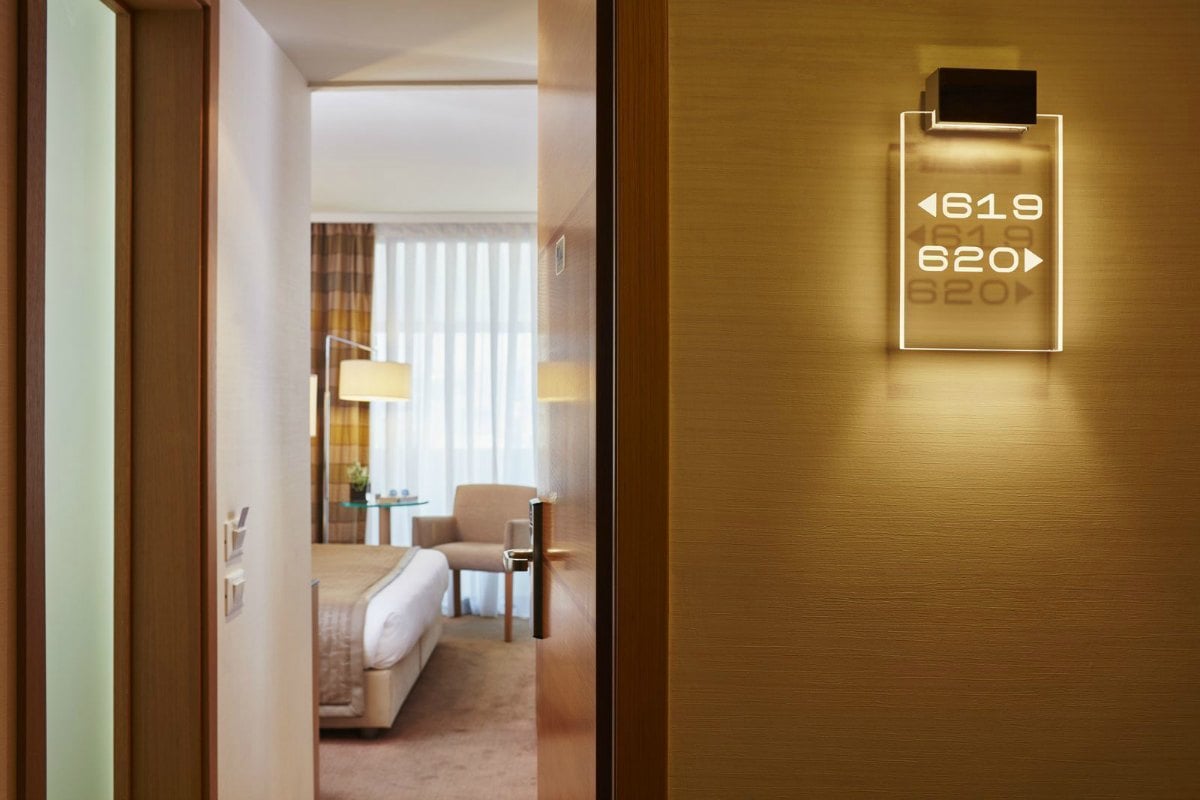
Upon checking into your hotel room, it’s essential to take a moment to inspect the space thoroughly. This ensures not only your comfort but also your safety during your stay. A proactive room inspection can help identify any issues that may need immediate attention, allowing you to enjoy your visit without concerns. Conducting a room inspection involves a systematic approach.
Start by entering the room and taking note of the overall cleanliness and condition. Look for any visible damages, check the amenities, and assess the safety features present. Be thorough in your inspection to ensure a secure and comfortable stay.
Steps to Inspect Your Hotel Room
Performing a thorough inspection is crucial for safeguarding your well-being. Here are the recommended steps to ensure your hotel room meets your standards:
- Check the Door Lock: Ensure that the door locks securely and that any additional security features (like a deadbolt or a chain) are functional.
- Inspect Windows: Make sure windows close properly and are also lockable. Check for any easy points of entry for intruders.
- Review Fire Safety Equipment: Locate smoke detectors and fire extinguishers, ensuring they are present and in working order.
- Examine Electrical Outlets: Look for any exposed wiring or damages around electrical outlets to prevent hazards.
- Assess Room Cleanliness: Ensure that the room is clean and that linens are fresh. Report any cleanliness issues to management.
- Test All Amenities: Try out the television, air conditioning, heating, and any other amenities to confirm they are functioning correctly.
Potential Safety Concerns in Hotel Rooms, What should I know before checking into a hotel room
Awareness of potential safety concerns can greatly enhance your experience. Here are some common issues to consider when you arrive:
- Hidden Cameras: Be mindful of any suspicious devices or objects that seem out of place, as privacy is a key concern.
- Pest Infestation: Look for signs of pests such as bedbugs or rodents, which could affect your health and comfort.
- Inadequate Lighting: Ensure that all areas of the room are well-lit, particularly near entry points and exits.
- Emergency Exits: Familiarize yourself with the location of the nearest emergency exits and escape routes.
Procedures for Reporting Issues or Concerns
If you discover any issues during your inspection, it’s important to know the appropriate steps to take. Reporting problems promptly not only helps resolve your situation but also aids the hotel in maintaining their standards.
- Contact the Front Desk: Report any major concerns to the front desk immediately for quick assistance.
- Document Issues: Take photos or notes of any problems, which can aid in reporting your concerns more effectively.
- Request Room Change: If the issue is significant, do not hesitate to request a change of room for your comfort and safety.
- Follow Up: After reporting, follow up on the status of your concerns to ensure they are being addressed.
“Your safety and comfort should always come first during your stay; never hesitate to voice concerns regarding your accommodations.”
Communication with Hotel Staff
Effective communication with hotel staff is essential to enhance your overall experience during your stay. Clear and courteous interactions can not only facilitate your requests but also foster a welcoming atmosphere that encourages personalized service. Understanding how to navigate these conversations can significantly impact the quality of your stay.
Effective Communication Techniques
Establishing effective communication with hotel staff involves clarity, politeness, and attentiveness. Here are several techniques to enhance your interactions:
- Be Clear and Direct: When making requests, state your needs clearly. For example, if you need extra towels or room service, specify the quantity and any particular preferences.
- Use Polite Language: Incorporate phrases such as “please” and “thank you.” This not only demonstrates respect but can also generate a more positive response from the staff.
- Listen Actively: Pay attention to the staff’s responses and instructions. This shows that you value their input and are engaged in the conversation.
- Be Patient and Understanding: Recognize that hotel staff may be busy, especially during peak times. Patience can lead to a more pleasant interaction.
Common Courtesy Practices
Practicing common courtesy while interacting with hotel personnel can enhance your experience and make a lasting impression. Here are some examples to consider:
- Greet Staff Warmly: A simple “hello” or “good morning” can set a friendly tone for your interactions.
- Introduce Yourself: Sharing your name when making requests personalizes the interaction and makes it easier for the staff to assist you.
- Provide Feedback: If you are satisfied with the service, let the staff know. Compliments can boost morale and encourage excellent service.
- Respect Their Time: Avoid unnecessary demands or distractions, especially when the staff is attending to other guests.
Benefits of Building Rapport
Establishing a rapport with hotel staff can lead to numerous advantages throughout your stay. When you foster a positive relationship, you may experience the following benefits:
- Enhanced Service: Staff may be more inclined to go above and beyond for guests they have connected with, such as providing room upgrades or special requests.
- Insider Tips: A good relationship can result in valuable recommendations for local attractions, dining, and activities that are not readily available in brochures.
- Personalized Experience: Regular visitors may receive personalized notes or amenities tailored to their preferences, making them feel special and valued.
- Quick Problem Resolution: If any issues arise, having a good rapport with the staff can lead to faster resolutions, as they may prioritize requests from guests they know.
“The key to a memorable hotel experience often lies in the connections made with the staff.”