How To Effectively Compare Hotel Rates Across Different Websites And Save Money On Your Travels

how to effectively compare hotel rates across different websites sets the stage for a journey through the intricate landscape of travel planning. In an age where convenience is king, knowing how to navigate the myriad of hotel booking platforms can be the key to unlocking significant savings and ensuring a comfortable stay. Travelers often overlook the importance of comparing rates, but with a little guidance, it can transform your booking experience into a seamless adventure filled with possibilities.
The process involves understanding the factors that affect pricing, utilizing various online tools, and knowing the best practices for finding the lowest rates available. By gleaning insights on seasonal pricing, promotional offers, and the value of loyalty programs, travelers can arm themselves with valuable knowledge that enhances their trip planning.






Understanding Hotel Rate Comparison
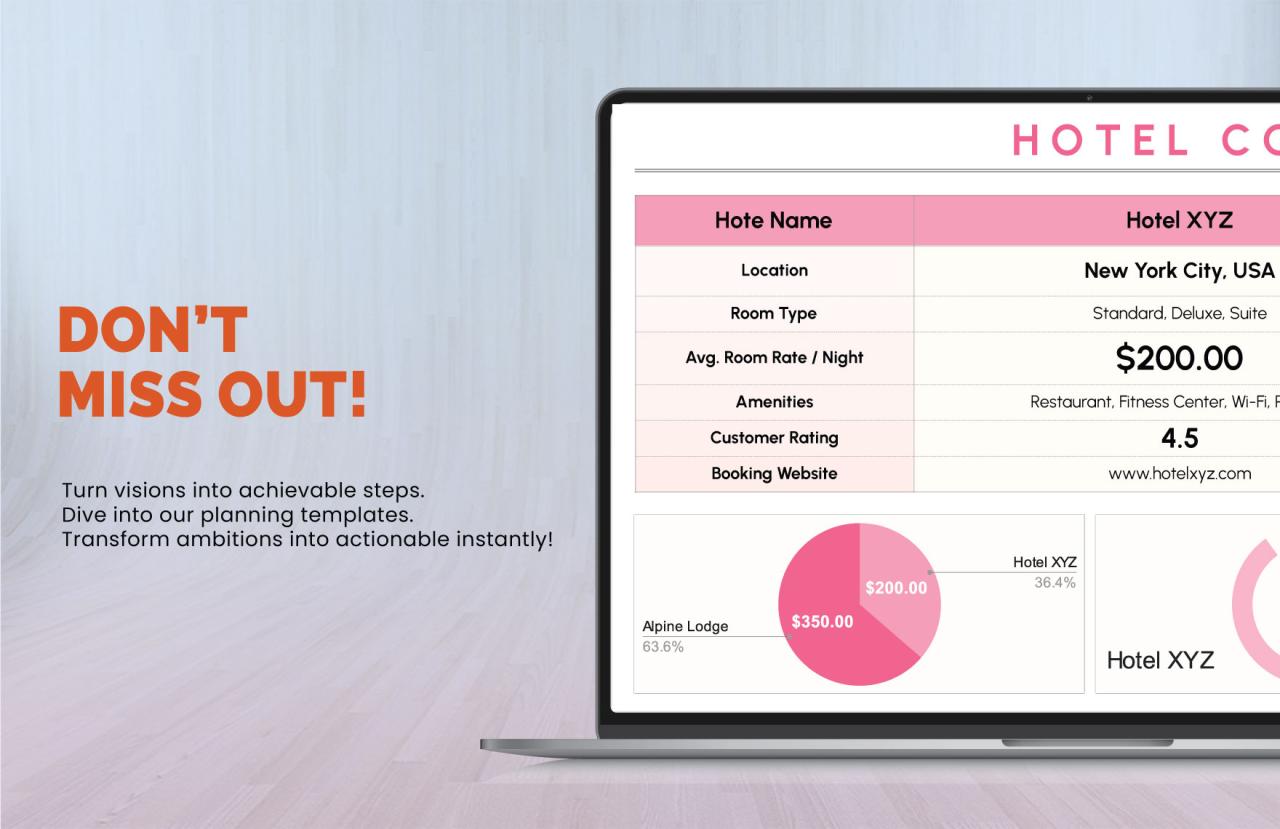
Travelers seek the best value for their money, and comparing hotel rates is a crucial step in achieving this goal. Ensuring that you secure a competitive rate can significantly impact your travel budget, allowing for more flexibility in other areas such as dining or activities. By analyzing prices across various platforms, travelers can uncover hidden fees, special offers, and loyalty rewards that can enhance their overall experience.Hotel pricing is influenced by numerous factors, which can vary dramatically across different websites.
Understanding these elements is essential to making informed comparisons. Factors such as demand, seasonality, location, and even the specific booking platform itself can result in differing prices for the same room. Hotels may adjust their rates based on occupancy levels, local events, and competitor pricing. Additionally, some websites may offer exclusive deals or promotions, while others might incorporate service fees that affect the final price.
Factors Influencing Hotel Pricing
When delving into the intricacies of hotel pricing, several core components need to be considered. Recognizing these factors can empower travelers to make better decisions.
Travelers often seek flexibility when booking their accommodations. Understanding how to book a hotel with a flexible cancellation policy can save you from unexpected changes in your plans. Look for properties that offer easy cancellation options to ensure peace of mind during your travels.
- Demand and Supply: High demand periods, such as holidays or major events, often lead to increased rates. Conversely, during off-peak times, prices may drop to attract more guests.
- Location: Proximity to popular attractions or transport hubs can elevate prices. Hotels in prime locations typically charge more due to the added convenience and appeal.
- Booking Timeframe: Rates can fluctuate based on how far in advance a booking is made. Last-minute bookings might yield higher prices, while early reservations can result in significant discounts.
- Website Policies: Different platforms have varying policies on cancellation, payment, and fees. Some may offer better cancellation terms or include breakfast, which can alter the overall value.
- Promotions and Discounts: Websites often feature exclusive deals such as loyalty program discounts, flash sales, or package offers that can significantly lower prices.
Understanding these elements not only aids in selecting the best deal but also enhances the traveling experience by ensuring that budget considerations align with expectations and needs.
Methods for Comparing Hotel Rates: How To Effectively Compare Hotel Rates Across Different Websites
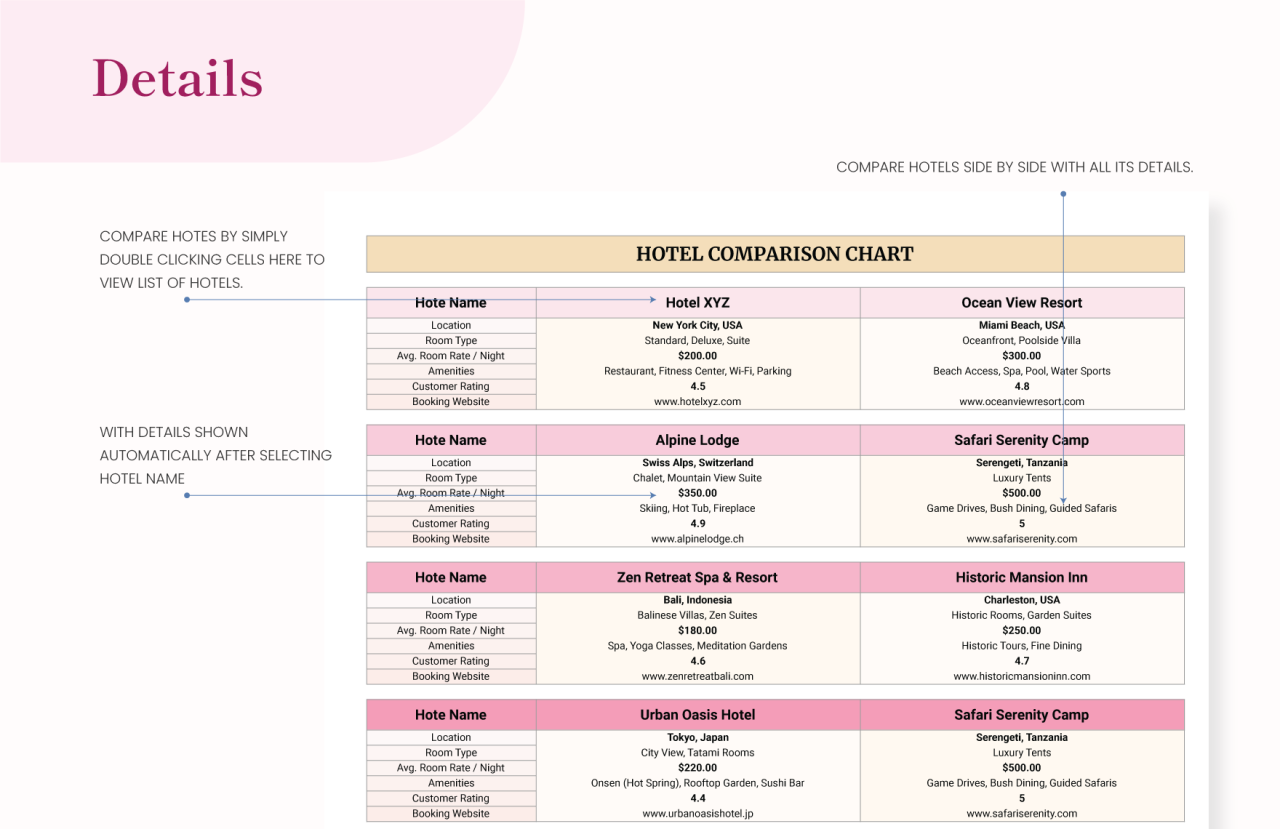
To secure the best deal on accommodations, understanding the various methods for comparing hotel rates online is essential. Effective comparison not only saves money but also enhances overall travel experiences by ensuring you find the best value for your needs.The process of comparing hotel rates can be straightforward if you follow a systematic approach. Start by identifying your travel dates and preferred locations.
When planning a trip, choosing the right accommodation is crucial for a pleasant experience. If you’re wondering where is the best area for tourists to stay , consider factors like proximity to attractions and safety. A prime location can significantly enhance your travel adventures.
After that, utilize multiple reliable hotel booking websites to check rates for the same hotel. Consistently checking various platforms allows for a comprehensive view of price variations and available offerings.
Steps for Effectively Comparing Hotel Rates
Implementing a structured approach to compare hotel rates can significantly enhance decision-making. Here are the essential steps to follow:
- Define your travel criteria, including dates, location, and budget.
- Use reliable hotel booking websites to find options.
- Check the same hotel across different platforms to identify discrepancies.
- Look for additional fees or taxes that may apply on certain sites.
- Read reviews to gauge the value of the hotel against its rate.
Reliable Hotel Booking Websites for Comparison
Using trustworthy hotel booking platforms is crucial for accurate rate comparisons. Here is a curated list of reputable sites that provide reliable pricing information:
- Booking.com: Known for its extensive listings and user-friendly interface.
- Expedia: Offers bundled deals on flights and hotels, often with discounts.
- Hotels.com: Rewards program allows frequent travelers to earn free nights.
- Kayak: Compares multiple sites simultaneously for best rates.
- Trivago: Aggregates prices from various booking sites for easy comparison.
Utilizing Filters and Sorting Options on Booking Platforms
Maximizing the use of filters and sorting features can refine your search results, making comparisons easier. Here are strategies to effectively use these tools:When searching for hotels, utilize filters to narrow down results based on your specific preferences, such as price range, star rating, amenities, and location. Most platforms allow you to sort results based on criteria such as price, distance to key attractions, or guest ratings.
For example, if you’re traveling with family, filtering by amenities like free breakfast or pools can significantly enhance your stay.
“Using filters effectively can transform overwhelming choices into manageable options, ensuring that you find accommodations that truly meet your needs.”
In addition to filters, consider sorting options to display hotels by lowest price first or highest customer rating. This allows for a quick assessment of value and quality, ensuring that you are not only looking at the cheapest options but also evaluating those that offer the best guest experiences. By leveraging these tools, you can streamline your hotel search and comparison process significantly.
Tools and Resources for Rate Comparison
In today’s digital age, the plethora of tools and resources available for comparing hotel rates can make the task both efficient and straightforward. From dedicated mobile apps to websites that aggregate prices, these tools empower travelers to secure the best deals possible. Exploring these resources can lead to significant savings and enhanced travel experiences.
Hotel Rate Comparison Tools and Apps
An array of tools and applications exist to help travelers compare hotel rates seamlessly. These platforms not only display varying prices but also provide valuable insights into amenities and user reviews. Below are some widely recognized resources:
- Trivago: Trivago aggregates hotel prices from numerous booking sites, giving users a quick overview of the best deals available across the web. Its user-friendly interface allows for sorting results based on price, rating, or distance from a specific location.
- Kayak: Kayak operates as a meta-search engine, offering comprehensive comparisons of hotel rates alongside flight and car rental options. Its price alert feature is particularly beneficial for tracking fluctuations in room rates.
- Hotels.com: This platform presents a loyalty program that rewards frequent users. They often offer exclusive discounts and promotions, making it a popular choice for savvy travelers.
- Booking.com: Known for its extensive inventory, Booking.com allows users to filter searches by various criteria like cancellation policies, star ratings, and guest reviews, ensuring comprehensive comparisons.
- Google Hotels: Leveraging Google’s robust search capabilities, this feature allows users to view prices from different travel sites side-by-side, complemented by a range of filters for tailored searches.
Using Price Alert Features on Hotel Websites
Price alert features serve as an invaluable tool for travelers looking to monitor hotel rates without continuously checking various websites. These alerts notify users when prices drop for their selected hotels, ensuring they don’t miss out on potential savings.To effectively use price alert features, follow these steps:
- Sign Up: Create an account on the hotel booking website or app that offers price alerts. This usually involves providing an email address and setting a password.
- Set Your Preferences: Select specific hotels, locations, or dates for which you want to receive alerts. Tailor your preferences to stay updated on the deals that matter most to you.
- Choose Notification Preferences: Opt for email or push notifications based on your convenience. Ensure your contact information is accurate to receive timely alerts.
- Monitor Alerts: Regularly check your notifications and be prepared to book quickly when you see a favorable price, as good deals can disappear fast.
Advantages of Using Meta-Search Engines
Meta-search engines simplify the hotel comparison process by compiling results from various booking platforms into one interface. This functionality offers several advantages that enhance the search experience.Utilizing meta-search engines provides:
- Comprehensive Results: By aggregating information from multiple sources, meta-search engines ensure travelers see a wide range of options, making it easier to identify the best deals.
- Time Efficiency: Instead of checking each website individually, users can view prices and availability across platforms from a single search, saving time and effort.
- Price Transparency: Meta-search engines often display price histories and trends, allowing users to understand if they’re getting a competitive rate.
- User Reviews: Many meta-search engines incorporate user ratings and reviews, offering additional context for decision-making beyond just price.
- Convenient Filtering: Users can apply multiple filters to refine their search results based on preferences such as price range, amenities, and hotel ratings.
Analyzing Rate Variations
Understanding the fluctuations in hotel rates is crucial for travelers looking to secure the best deals. Hotel pricing is influenced by a range of factors, including demand, seasonality, and promotional activities. Analyzing these variations can help consumers make informed decisions and save money when booking accommodations.Identifying patterns in hotel rate fluctuations requires careful observation and analysis of historical data. Rates can change significantly based on various conditions, such as time of year, local events, and even day of the week.
By tracking these fluctuations over time, travelers can gain insights into the best times to book their stays.
Patterns in Hotel Rate Fluctuations
Understanding the different patterns that affect hotel rates is essential for effective comparison. Certain trends emerge depending on the season or local events. For instance, hotel prices tend to rise during peak travel seasons, such as summer vacations and major holidays. Conversely, off-peak times may offer lower rates due to reduced demand. The following factors contribute to hotel rate patterns:
- Seasonal Pricing: Rates usually increase during popular travel seasons, such as summer and winter holidays, while they may decrease in the shoulder seasons, like spring and fall.
- Local Events: Conferences, festivals, or concerts can drive demand in specific areas, leading to temporary price hikes in hotel accommodations.
- Day of the Week: Weekends often see higher prices for leisure travelers, while weekdays may offer lower rates aimed at business travelers or those booking last-minute stays.
Impact of Seasonal Pricing on Hotel Rates, How to effectively compare hotel rates across different websites
Seasonal pricing is a strategy that hotels use to maximize revenue based on the time of year. It’s essential to recognize how this impacts your travel plans and budget. During high season, hotels may adopt dynamic pricing techniques, adjusting rates based on real-time demand. For example, a beachfront resort may charge significantly more during summer months compared to fall, when fewer beachgoers are expected.
Key insights into seasonal pricing include:
- Advance Booking Discounts: Many hotels offer lower rates for bookings made several months in advance, particularly during peak seasons.
- Last-Minute Deals: Conversely, some hotels may reduce prices as the travel date approaches to fill empty rooms, especially in off-peak times.
- Multi-night Stays: Hotels might provide discounts for extended stays during slower periods, encouraging longer visits and filling rooms.
Promotional Offers and Loyalty Programs
Promotional offers and loyalty programs play a significant role in hotel pricing strategies. Hotels often use these incentives to attract customers and encourage repeat business. Understanding these offers can help travelers find better rates and additional benefits. Promotional offers can include discounted rates for specific dates, package deals that bundle accommodations with other services, or special rates for members of certain organizations.
Loyalty programs, on the other hand, reward frequent travelers with points that can be redeemed for free nights or other perks. The key points to consider are:
- Exclusive Discounts: Members of loyalty programs often have access to lower rates not available to the general public.
- Reward Points: Accumulated points can lead to free stays or upgrades, providing significant value over time.
- Personalized Offers: Hotels may tailor discounts and promotions based on a guest’s past stays and preferences, enhancing the travel experience.