How to effectively compare hotel prices across websites sets the stage for savvy travelers seeking the best deals without the headache of endless searching. In today’s digital age, where countless platforms vie for your attention, understanding the nuances of hotel price comparison is essential. Not only does it save you money, but it also enhances your overall travel experience by ensuring you secure the best accommodations tailored to your needs.
By grasping the factors that influence hotel pricing, recognizing common pitfalls travelers encounter, and leveraging various tools at your disposal, you can navigate the competitive landscape of hotel bookings with confidence. This exploration unfolds the significance of comparing prices across different websites, guiding you through an array of strategies and resources that promise to maximize your savings and satisfaction.





Understanding Hotel Price Comparison: How To Effectively Compare Hotel Prices Across Websites

Comparing hotel prices across various websites is crucial for travelers seeking the best deals and ensuring they get the most value for their money. With a plethora of online platforms available, each offering different rates and deals, understanding how to navigate this landscape effectively can lead to significant savings. Hotel pricing is influenced by a myriad of factors, which can change from one moment to the next.
An understanding of these factors allows travelers to make informed decisions when booking accommodations. Seasonal demand, location, and property type are just a few elements that can impact the final price of a hotel stay.
Factors Influencing Hotel Pricing
Multiple aspects contribute to the way hotel prices are determined. Assessing these can provide travelers insights into potential savings opportunities. Key factors include:
- Seasonality: Prices typically rise during peak travel seasons, such as summer and major holidays, when demand is at its highest.
- Location: Hotels in prime areas, close to attractions or business centers, often command higher prices than those situated further away.
- Booking Timing: Last-minute bookings may lead to higher prices, while planning in advance can often yield lower rates.
- Room Type and Amenities: Different room types, from standard to luxury suites, come with varying price points, and additional amenities can also affect costs.
- Promotions and Discounts: Special offers, loyalty programs, and member rates can significantly reduce the price but require attention to detail to ensure they are applied correctly.
Common Mistakes in Price Comparison
Travelers often overlook key aspects that can result in suboptimal booking decisions. Recognizing these pitfalls can help in making informed choices:
- Failing to Compare Across Multiple Sites: Relying on a single website may result in missing out on better deals available elsewhere.
- Ignoring Additional Fees: Some sites may display lower prices but fail to account for hidden fees like resort fees or parking charges.
- Not Considering Total Cost: Comparing nightly rates without considering the total cost for the entire stay can lead to inaccurate evaluations.
- Assuming Higher Prices Mean Better Quality: Price does not always equate to value; reviews and ratings should also be factored into the decision-making process.
- Overlooking Flexible Travel Dates: Slight adjustments to travel dates can lead to significant savings due to fluctuating prices.
“Travelers who invest time in comparing hotel prices effectively can unlock significant savings and ensure a more enjoyable stay.”
Understanding these components of hotel price comparison empowers travelers to make smarter choices, ultimately enhancing their travel experience. By staying informed and vigilant, they can navigate through the complexities of hotel pricing with ease and confidence.
Tools and Websites for Price Comparison
Utilizing the right tools and websites for comparing hotel prices can greatly enhance your travel planning experience. With numerous options available, it’s crucial to identify which platforms offer the best features and user experiences for your needs.Many travelers rely on Online Travel Agencies (OTAs) for hotel bookings. Below is a list of popular hotel comparison websites along with their standout features that cater to various preferences.
Popular Hotel Comparison Websites
The following websites are well-known for their comprehensive hotel price comparison tools, making them essential for travelers seeking the best deals:
- Booking.com
-Offers a vast selection of properties, user reviews, and flexible cancellation options. - Trivago
-Aggregates prices from multiple booking sites, allowing users to filter by price, rating, and amenities. - Kayak
-Provides an extensive range of filters and tools for comparing hotel prices across various OTAs. - Hotels.com
-Features a rewards program where users can earn free nights after booking a certain number of stays. - Expedia
-Allows users to bundle hotel bookings with flights and car rentals for additional savings.
In addition to the websites mentioned, it’s essential to consider the advantages and disadvantages of using OTA platforms for hotel bookings.
When planning a getaway with your furry friend, it’s essential to understand what defines a hotel as being pet friendly. Facilities such as pet amenities, weight restrictions, and pet policies are crucial indicators that can help you choose the right place, ensuring both you and your pet have a fantastic stay together.
Advantages and Disadvantages of Using OTA Platforms, How to effectively compare hotel prices across websites
While OTAs streamline the hotel booking process and provide competitive pricing, they also come with certain drawbacks. Understanding these can aid in making informed booking decisions.
If you’re looking to save money on your travels, knowing the top tips for booking budget friendly hotel rooms can make a significant difference. From timing your bookings to utilizing comparison sites, these strategies ensure you find comfortable accommodations without breaking the bank, allowing you to enjoy your trip even more.
- Advantages:
- Access to a wide range of hotels and properties worldwide.
- User-friendly interfaces with filters for easy navigation.
- Competitive prices and exclusive deals are often available.
- Disadvantages:
- Potential service fees can increase the total cost of bookings.
- Limited direct communication with hotel staff for specific requests.
- Last-minute deals may not always be available for certain dates.
To maximize the benefits of hotel booking apps, employing effective strategies can lead to better results.
Utilizing Hotel Booking Apps Effectively
Hotel booking apps can save time and provide exclusive deals, but it is important to use them wisely. Here are useful tips to enhance your booking experience:
- Enable Notifications: Allow app notifications to receive alerts for price drops or limited-time offers directly on your device.
- Use Price Alerts: Set up price alerts for specific hotels or destinations to stay updated on changes in rates.
- Compare Multiple Apps: Don’t rely on just one app; compare prices across several to ensure you’re getting the best deal.
- Check Reviews: Read user reviews within the app to gauge the quality of hotels based on firsthand experiences.
- Book Early: Generally, booking in advance can help secure lower rates, especially during peak travel seasons.
By leveraging these tools, understanding the pros and cons of OTAs, and employing effective strategies with booking apps, travelers can ensure a more informed and cost-effective hotel booking process.
Strategies for Effective Price Comparison
When it comes to securing the best hotel rates, having a strategic approach is essential. This involves not only comparing prices across various platforms but also utilizing tools and techniques that can help track fluctuations and notify you of significant changes. With the right strategies, travelers can ensure they are getting the best value for their money, without compromising on quality.
Methods to Track Hotel Price Changes Over Time
Monitoring hotel prices over time allows travelers to identify trends and make informed decisions about when to book. This can be achieved through various methods:
1. Price Tracking Websites
Many websites, such as Kayak and Hopper, offer price-tracking features. These platforms analyze historical data to predict price movements based on past trends, helping users decide the best time to purchase.
2. Browser Extensions
Tools like Honey or Invisible Hand can automatically track hotel prices while you browse. They alert you if there’s a price drop or if a better deal is available on a different site.
3. Manual Tracking
Keeping a personal spreadsheet can also be effective. By recording prices for your desired hotel over a period of time, you can visualize fluctuations and determine the optimum booking moment.
Tracking prices consistently can lead to significant savings, as hotel rates often vary based on demand and seasonality.
Using Price Alerts to Get the Best Deals
Setting up price alerts is a proactive way to stay informed about hotel deals. This process helps ensure you don’t miss out on significant discounts. Here’s how to effectively use price alerts:
Sign Up for Alerts
Many booking sites allow users to set price alerts for specific hotels. By entering your travel dates and preferences, you will receive notifications when prices drop.
Use Multiple Platforms
Don’t limit yourself to one site. Utilize several travel websites to set up alerts. This maximizes your chances of catching the best deals as different platforms may have varying prices.
Adjust Preferences Based on Notifications
Many price alert systems allow you to set specific criteria. Fine-tune these settings to reflect your budget and required amenities, ensuring you’re informed only about the most relevant deals.
Checklist for Evaluating Hotel Packages and Amenities Alongside Prices
When comparing hotel prices, evaluating packages and amenities is crucial to ensure you’re getting full value for your expenditure. Here’s a handy checklist to guide you through the evaluation process:
Basic Amenities
Check if the hotel offers essentials like free Wi-Fi, breakfast inclusions, and parking options.
Additional Services
Consider if there are added facilities such as airport shuttles, gym access, or spa services that may influence your decision.
Cancellation Policy
Look for flexible cancellation and refund policies. This can impact your overall cost and peace of mind.
Location Benefits
Factor in the hotel’s proximity to major attractions or public transport, which could save time and additional travel expenses.
Package Deals
Assess if bundled services such as flights, rental cars, or activities can be included at a discounted rate when booking a hotel.
Evaluating both price and amenities ensures that you choose a hotel that meets your needs without exceeding your budget.
Analyzing Real-Time Comparison Data

When planning a stay at a hotel, understanding and analyzing real-time comparison data is essential for making informed decisions. The ability to gather and interpret pricing information from various booking platforms allows travelers to find the best deal available for their desired accommodations. In this section, we will explore how to effectively document and analyze hotel prices to ensure you secure the best possible rates.
Creating a Price Comparison Table
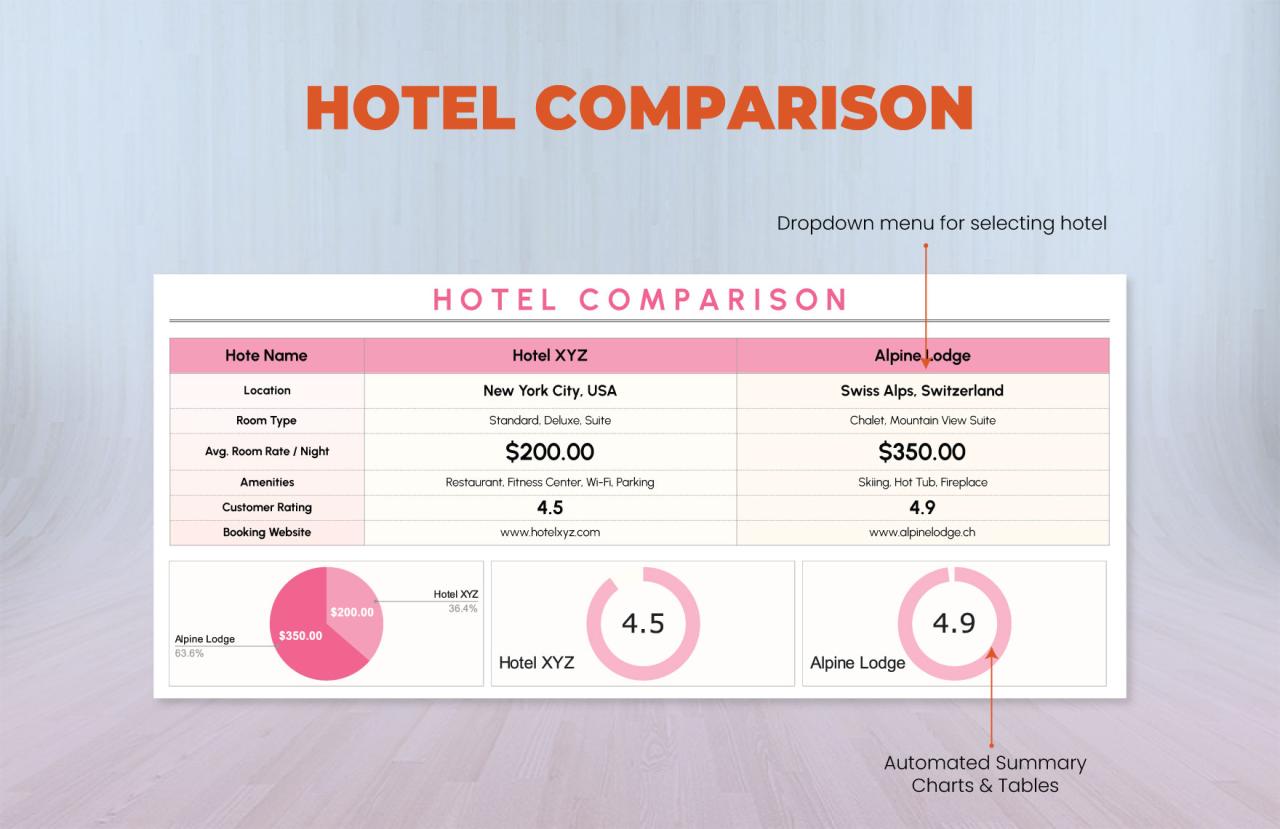
A price comparison table is a powerful tool that allows you to visualize the differences in hotel rates across multiple platforms for specific dates. This table can help you quickly identify which website offers the best deal. Below is an example of how to structure a table comparing prices from different booking platforms for a single hotel:
| Platform | Hotel Name | Check-in Date | Check-out Date | Rate (per night) |
|---|---|---|---|---|
| Booking.com | Cozy Hotel | 2023-12-01 | 2023-12-05 | $120 |
| Expedia | Cozy Hotel | 2023-12-01 | 2023-12-05 | $115 |
| Hotels.com | Cozy Hotel | 2023-12-01 | 2023-12-05 | $125 |
This table clearly displays the price variations for the same hotel across different platforms, facilitating an easy comparison.
Documenting Different Hotel Rates
To effectively document hotel rates from various platforms, follow these procedures:
1. Select Your Dates
Choose a specific check-in and check-out date that you plan to book.
2. Identify the Hotels
Make a list of hotels you are interested in for your selected dates.
3. Gather Data
Visit multiple booking platforms and record the rates offered for your selected hotels. Ensure you note any special promotions or discounts available.
4. Log Information
Create a spreadsheet or table where you can systematically input the data from all platforms to keep it organized.By maintaining accurate documentation, you can easily track price changes and make an informed decision.
Interpreting Data for Informed Decisions
Interpreting the data from your price comparison table is crucial in making a well-informed choice. Consider the following points:
Identify the Lowest Rate
Highlight the platform that offers the best price for the same hotel and dates.
Analyze Additional Fees
Check for hidden fees that may apply, such as resort fees or cleaning charges, which could affect the total cost.
Evaluate Cancellation Policies
Some platforms may offer more flexible cancellation policies, which can be an essential factor in your decision-making process.
Read Reviews
Look at customer reviews on both the hotel and the booking platform to gauge the quality of service and reliability.
“The best price is not only about the lowest number; it’s about the total value you receive.”
By accurately analyzing real-time comparison data and interpreting the gathered information, travelers can maximize their chances of securing a great deal while ensuring a pleasant stay.