How to choose a hotel based on guest reviews opens up a world of insights for travelers seeking the perfect stay. In today’s digital age, guest reviews have become a cornerstone of the hotel selection process, influencing decisions more than ever before. With a plethora of platforms at our fingertips, understanding what to look for and how to interpret these reviews can make all the difference between a satisfying vacation and a regrettable experience.
As we delve into this topic, we will explore the significance of guest reviews, evaluate the credibility of various review platforms, and analyze key elements to guide your decision-making. By synthesizing the wealth of information available through guest feedback, we can empower you to make informed choices that align with your personal preferences and budget.





Understanding Guest Reviews

Guest reviews play a crucial role in the hotel selection process, serving as a barometer for potential visitors. In today’s digital age, where social proof heavily influences consumer behavior, reviews can make or break a hospitality business. By analyzing guest feedback, travelers can gain insights into the quality of service, cleanliness, and overall experience offered by a hotel.Statistics indicate that a significant percentage of travelers rely on guest reviews when making their booking decisions.
According to a study by BrightLocal, around 91% of consumers read online reviews before making a purchase, with 84% trusting them as much as personal recommendations. Furthermore, research by TripAdvisor reveals that hotels with higher ratings can charge up to 30% more than their lower-rated counterparts, emphasizing the power of positive reviews.
When visiting a new city, choosing the right accommodation is essential for a great experience. Tourists should consider factors such as location, amenities, and budget. To help navigate these options, check out this insightful article on where should tourists stay in a new city , which offers guidance on how to find the perfect place to stay while exploring.
Common Themes in Guest Reviews
Understanding the recurring themes in guest reviews can shed light on the overall guest experience at a hotel. Frequent mentions of specific attributes can guide potential guests in making informed decisions. Here are some of the most commonly highlighted themes:
- Cleanliness: Many guests prioritize cleanliness and often highlight it in their reviews. Positive mentions of well-maintained rooms and common areas can significantly influence a hotel’s reputation.
- Staff Service: The quality of staff service is frequently noted, with guests appreciating promptness, friendliness, and professionalism. Exceptional service can lead to positive reviews and repeat business.
- Location: Guests often share their sentiments regarding the hotel’s location, especially its proximity to attractions, restaurants, and public transport. A convenient location can enhance the overall experience.
- Value for Money: Reviews frequently reflect guests’ perceptions of the value they received for the price paid. A hotel that exceeds expectations in terms of amenities and service tends to receive favorable remarks.
- Amenities: The presence and quality of amenities, such as Wi-Fi, pools, breakfast options, and fitness centers, are common topics in reviews. Guests appreciate hotels that offer a wide range of facilities tailored to their needs.
Evaluating Review Platforms: How To Choose A Hotel Based On Guest Reviews
When selecting a hotel, guest reviews play a crucial role in shaping your decision. However, the platforms where these reviews are posted can vary significantly in terms of reliability and user experience. Understanding the strengths and weaknesses of each platform will empower you to make informed choices based on authentic guest feedback.Various platforms host guest reviews, each with its unique audience and methods of displaying feedback.
Popular ones include TripAdvisor, Google Reviews, Booking.com, and Yelp. Each platform has its distinct features that can influence how reviews are perceived and utilized.
Identifying Review Platforms
Familiarizing yourself with the main platforms where guests leave reviews is essential. Below are some of the most commonly used platforms:
- TripAdvisor: One of the most recognized travel review sites, it provides extensive reviews from millions of travelers. Users can leave detailed comments and ratings on various aspects of their stay.
- Google Reviews: Integrated within Google Maps, this platform allows users to leave reviews and ratings directly linked to the hotel’s location. It is widely used for its convenience and accessibility.
- Booking.com: While primarily a booking platform, it also features guest reviews that focus on the booking experience and stay, offering insights directly related to the reservation process.
- Yelp: Known for restaurant reviews, Yelp also covers hospitality. Its community-driven model offers insights from locals and travelers alike.
Comparing Credibility of Review Sources
Not all review platforms offer the same level of credibility. Factors such as moderation practices, review volume, and the transparency of user identities can influence the trustworthiness of reviews.
- Moderation Practices: Platforms like TripAdvisor employ strict moderation processes to filter out fake reviews, while others may not have the same level of scrutiny.
- Review Volume: A high volume of reviews, especially with consistent feedback, typically indicates reliability. For instance, a hotel with hundreds of reviews is likely to provide a more accurate picture than one with only a handful.
- User Anonymity: Some platforms allow anonymous reviews, which can lead to concerns over authenticity. Verified guests are often more credible as they have stayed at the hotel.
Navigating and Filtering Reviews
To efficiently sift through numerous reviews and extract the most relevant information, knowing how to navigate and filter results on these platforms is vital. Most platforms provide tools to help users refine their search.
- Filter by Rating: Many platforms allow you to filter reviews by star ratings, which can help you focus on positive or negative experiences that align with your priorities.
- Sorting by Date: Viewing the most recent reviews ensures that you are getting the latest insights about the hotel’s current condition and services.
- Reading the Most Helpful Reviews: Platforms often highlight reviews that other users have found useful, which can guide you toward the most informative feedback.
- Searching s: Utilizing the search function to look for specific terms, such as “cleanliness” or “customer service,” can help you quickly find relevant experiences from other guests.
“A strategic approach to reading reviews can provide valuable insights into the realities of staying at a hotel, enhancing your overall travel experience.”
By understanding and evaluating these review platforms, travelers can make better-informed decisions, ensuring their stay aligns with their expectations and preferences.
Finding the best last-minute hotel deals can be a breeze if you know where to look. By utilizing various online platforms and comparison websites, travelers can easily score great prices. A helpful resource is this guide on how to find last minute hotel deals online easily , which provides tips and tricks to secure affordable accommodations without the stress.
Analyzing Review Content

When it comes to choosing the right hotel for your stay, analyzing guest reviews is paramount. Reviews offer a window into the real experiences of previous guests, revealing the strengths and weaknesses of a hotel that official descriptions may not cover. By focusing on specific elements within these reviews, you can make an informed decision that aligns with your expectations.Evaluating the content of guest reviews involves identifying key elements that significantly affect the overall experience.
Key aspects such as cleanliness, service, and amenities often emerge as critical components that visitors discuss. Understanding these elements will help you prioritize what matters most to you during your stay.
Key Elements in Guest Reviews
When analyzing guest reviews, pay attention to the following important factors that can influence your hotel selection:
- Cleanliness: This is often the first aspect guests mention. Look for comments regarding the state of the rooms, bathrooms, and common areas. Cleanliness directly impacts comfort and safety.
- Service Quality: Guest satisfaction is typically linked to the level of service they receive. Positive remarks about staff friendliness, responsiveness, and professionalism can indicate a welcoming atmosphere.
- Amenities: Reviews may highlight essential amenities like Wi-Fi, breakfast options, pools, and fitness centers. Evaluating amenities that are important to you will help narrow down your choices.
- Location: Proximity to attractions, public transport, or key areas can greatly enhance your experience. Look for reviews that assess the convenience of the hotel’s location.
- Noise Levels: Guests often comment on the noise levels from inside and outside the hotel. A mention of disturbances can be a red flag, especially if you prefer a quiet environment.
To effectively evaluate the tone and sentiment of reviews, consider developing a checklist that helps you gauge the overall atmosphere of the feedback. This can be crucial in discerning the genuine experience of guests.
Checklist for Evaluating Tone and Sentiment
Understanding the emotional tone of a review can provide insights into the guest’s experience. Here’s a checklist to assist in evaluating the sentiment of reviews:
- Examine the use of adjectives: Positive reviews often contain words like “fantastic,” “impeccable,” or “friendly,” while negative ones might feature “dirty,” “rude,” or “disappointing.”
- Look for emotional expressions: Phrases expressing excitement, joy, or frustration can indicate the reviewer’s emotional state and the seriousness of their feedback.
- Assess the balance of pros and cons: Reviews that provide a balanced view tend to offer a more reliable insight than those that are overly positive or negative.
- Identify patterns in multiple reviews: Recurring themes or comments from various guests can indicate consistent qualities about the hotel.
Examples of reviews can illustrate the impact of positive vs. negative experiences, guiding potential guests in their decision-making process.
Examples of Positive and Negative Reviews, How to choose a hotel based on guest reviews
Positive reviews often articulate enjoyable experiences that can sway potential guests. For instance:
“The hotel was spotlessly clean, and the staff went above and beyond to make our stay memorable. The beautiful ocean view from our room was the cherry on top!”
This example reflects a strong emphasis on cleanliness and service, suggesting a reliable standard of hospitality.Conversely, negative reviews can serve as warnings:
“I was disappointed with the condition of the room. It was not cleaned well, and the front desk staff were unhelpful when I raised my concerns.”
Such feedback highlights issues with cleanliness and service, indicating potential problems for future guests. Analyzing the implications of these reviews allows you to weigh the risks and benefits of your hotel choice.
Making Informed Decisions
Making informed decisions when selecting a hotel is crucial for enhancing your travel experience. With an abundance of guest reviews at your fingertips, it’s essential to sift through the information and utilize it effectively. This section Artikels a practical guide for leveraging reviews to narrow down your hotel options while considering your personal preferences and budget.
Step-by-Step Guide for Shortlisting Hotels
A structured approach to utilizing guest reviews can streamline the hotel selection process. Here’s a step-by-step guide to help you shortlist potential hotels based on reviews:
- Identify Your Needs: Start by defining what is most important for your stay – location, amenities, or special services. Being clear on your priorities will help focus your search.
- Gather Reviews: Use reputable review platforms to compile a list of hotels that meet your criteria. Look for hotels with the highest ratings that also have a significant number of reviews to ensure reliability.
- Filter Reviews: Focus on recent reviews, as they provide the most current insights. Pay special attention to comments about cleanliness, service quality, and value for money.
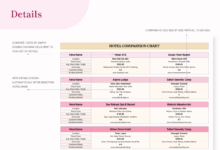
- Create a Comparison Chart: List potential hotels alongside key attributes, such as guest ratings, number of reviews, price per night, and amenities offered. This visual aid will facilitate easier comparisons.
- Shortlist Options: Narrow your list based on how well each hotel aligns with your priorities and the overall sentiment of the reviews.
- Finalize Your Choice: Before making a reservation, double-check the hotel’s official website for exclusive offers or promotions that may not be reflected on review sites.
Balancing Review Insights with Personal Preferences and Budget
While reviews provide valuable insights, it’s essential to balance them with your own preferences and budget constraints. Each traveler has unique needs that reviews may not fully capture. Keep the following considerations in mind:
“Guest reviews reflect individual experiences but should not replace your personal travel priorities and monetary limits.”
When evaluating reviews, consider the following:
- Personal Preferences: Some guests may prioritize luxury, while others may value budget-friendly options. Assess whether the hotel meets your specific desires, like kid-friendly amenities or a vibrant nightlife scene.
- Budget Alignment: Ensure that the hotels you are considering fall within your budget. Sometimes, it’s worth paying a little more for better experiences as indicated by positive reviews.
- Contextual Evaluation: Understand the context of reviews. A complaint about noise levels might be more relevant to someone seeking a peaceful stay than to a traveler looking to be near the action.
Contacting Hotels Directly with Concerns Raised in Reviews
Before booking, addressing specific concerns mentioned in reviews can provide clarity and reassurance. Consider following these tips for effective communication:Engaging with hotel management can yield valuable insights. Here are some strategies for reaching out:
- Be Specific: When drafting your inquiry, reference particular reviews and express your concerns. For example, if multiple guests mention issues with cleanliness, ask how the hotel addresses such matters.
- Inquire About Policies: Ask about the hotel’s policies related to services mentioned in reviews, such as room upgrades, cancellation policies, or amenities.
- Gauge Responsiveness: Monitor how promptly and thoroughly the hotel responds to your inquiries, as this can reflect their customer service approach.