How to avoid hidden charges when booking hotels is a critical concern for travelers seeking to make the most of their budgets. Often, the price tag you see at first glance does not reveal the full story; unexpected fees can quickly inflate your overall costs. Armed with knowledge about these hidden charges, you can navigate the booking process with confidence, ensuring your travel plans remain affordable without sacrificing comfort or quality.
From resort fees to cleaning charges, understanding these common pitfalls will help you make informed decisions. By thoroughly reviewing the terms and conditions, comparing prices, and leveraging user reviews, you set the stage for a smoother booking experience. Let’s dive into the strategies that will empower you to book your ideal hotel without the fear of surprise charges lurking around the corner.





Understanding Hidden Charges
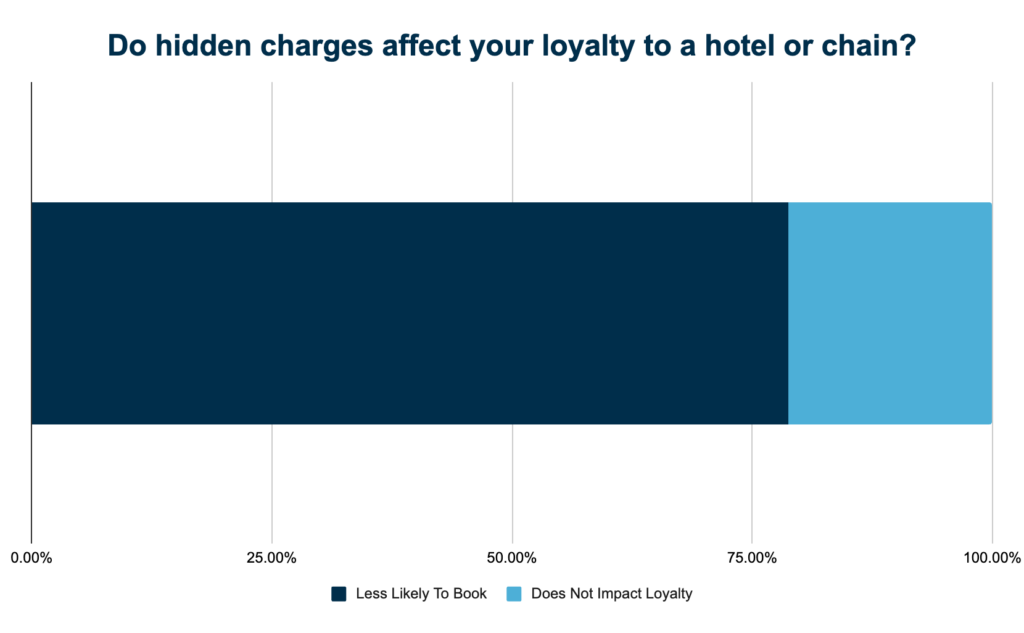
When booking a hotel, travelers often overlook various hidden charges that can significantly inflate their total expenses. These additional costs can range from obscure fees to mandatory deposits, making it crucial to grasp what they entail to plan a budget effectively. Awareness of these charges not only facilitates smarter decisions but also enhances the overall travel experience by preventing unexpected financial surprises.Hidden charges in hotel bookings can manifest in several forms.
When traveling to major cities, staying at boutique hotels can enhance your experience. These unique accommodations often reflect local culture and style. To discover these hidden gems, explore our tips on how to find unique boutique hotels in major cities , ensuring your stay is both memorable and distinctive.
Common examples include resort fees, parking costs, early check-in or late check-out fees, Wi-Fi charges, and extra guest fees. Each of these can add up quickly, leading to a final bill that exceeds initial expectations. For instance, a hotel may advertise a low nightly rate, but by the time one adds a $30 resort fee and a $20 parking fee, the cost per night has substantially increased.
Understanding these charges can aid travelers in making informed choices, ensuring they choose accommodations that align with their budgetary constraints.
Common Types of Hidden Charges
It is vital to identify and understand the various hidden charges that can arise during the hotel booking process. The following are typical examples:
- Resort Fees: Many hotels, especially in tourist destinations, charge resort fees that cover amenities such as pool access, gym usage, and other services. These fees can be mandatory and vary widely.
- Parking Charges: In urban areas, hotels may charge for parking, which can be a significant extra cost for travelers arriving by car.
- Wi-Fi Fees: While many hotels offer complimentary Wi-Fi, some impose charges for high-speed internet or access in certain areas of the property.
- Early Check-in/Late Check-out Fees: Guests wishing to check-in early or check out late may be subject to additional fees, which can be quite substantial depending on the hotel’s policy.
- Extra Guest Fees: Hotels often charge an additional fee for extra guests beyond the standard occupancy limit, which can accumulate quickly if traveling with family or friends.
Reading the fine print when booking a hotel is essential for understanding the terms and conditions and avoiding hidden charges. Many travelers often overlook this step, assuming they are well-informed simply because they have read the main details. However, important fees are frequently buried in lengthy terms and conditions. It is advisable to take the time to thoroughly review cancellation policies, additional charges, and included amenities.
“The difference between a pleasant trip and a headache often lies in the understanding of all costs involved.”
Finding the optimal time to book hotel rooms can significantly impact your travel budget. Research suggests that booking during off-peak times, such as weekdays, can lead to better deals. For more detailed insights, check out this guide on what is the best time to book hotel rooms for savings.
By carefully examining these details, travelers can better anticipate their total expenses, ensuring a smoother journey without unpleasant financial surprises.
Strategies to Identify Hidden Charges: How To Avoid Hidden Charges When Booking Hotels

When booking a hotel, understanding the full cost is essential to avoid unpleasant surprises during your stay. Hidden charges can often lead to significant increases in the total price, making it critical for travelers to develop strategies for identifying these additional fees. By employing a few targeted approaches, you can ensure a more transparent booking experience.
Checklist to Review Hotel Booking Terms and Conditions
A thorough examination of the hotel’s booking terms and conditions is crucial for uncovering any potential hidden charges. Before confirming your reservation, consider the following checklist:
- Cancellation Policy: Understand the penalties for cancellation and if they vary based on timing.
- Deposit Requirements: Determine if a deposit is required upon booking and its percentage.
- Resort Fees: Look for any mandatory resort fees that may not be included in the base price.
- Wi-Fi Charges: Check if internet access is complimentary or if additional charges apply.
- Parking Fees: Confirm whether the hotel charges for parking and the associated costs.
- Room Upgrades: Identify any fees related to upgrading your room upon arrival.
- Additional Guest Fees: Clarify if there are extra charges for additional guests in your room.
Methods to Compare Prices Across Different Booking Platforms
Comparing prices across various booking platforms can help expose hidden charges and ensure you get the best deal. To effectively compare:
- Use Meta-Search Engines: Utilize websites like Kayak or Trivago to compare rates from multiple booking sites simultaneously.
- Direct Hotel Websites: Always check the hotel’s official website for exclusive offers that may include waived fees.
- Incorporate Filters: Apply filters on booking platforms to exclude websites that don’t display total costs upfront.
- Look for Price Match Guarantees: Some booking platforms offer price matching, making it easier to find the best rate.
- Review Package Deals: Explore options that bundle flights and hotels, which may avoid some hidden fees.
Significance of User Reviews in Identifying Potential Extra Fees, How to avoid hidden charges when booking hotels
User reviews can be a goldmine of information when it comes to identifying potential hidden charges. Reading through reviews can provide insights into other guests’ experiences with additional fees. Pay attention to:
- Recent Experiences: Focus on the latest reviews to gauge current practices regarding fees.
- Detailed Descriptions: Look for comments specifically mentioning hidden fees, which can alert you to what to expect.
- Patterns in Reviews: Take note of recurring issues mentioned across multiple reviews regarding extra charges.
- Hotel Responses: Observe how the hotel management responds to complaints about hidden charges, reflecting their customer service approach.
- Comparison of Star Ratings: Higher-rated hotels may offer more transparency regarding fees, based on user experiences.
Negotiating and Communicating with Hotels
When it comes to booking a hotel, effective negotiation and clear communication can significantly minimize hidden charges. Understanding how to engage with hotel staff can lead to better rates and a clearer picture of the total cost of your stay. This segment focuses on techniques that can aid travelers in negotiating rates and effectively inquiring about any additional fees that may apply.
Techniques for Negotiating Rates with Hotel Staff
Negotiating rates with hotel staff requires confidence and a strategic approach. Here are key techniques that can enhance your negotiating power:
- Research Market Rates: Before calling or visiting the hotel, research comparable hotel rates in the area. Websites dedicated to hotel bookings can provide a benchmark for negotiations.
- Be Polite and Friendly: Establishing rapport with the staff can create a more favorable negotiating atmosphere. A friendly demeanor often leads to better deals.
- Ask for Discounts: Inquire about available discounts, such as those for AAA members, military personnel, or loyalty program members. Mentioning these can prompt staff to offer better rates.
- Inquire About Package Deals: Hotels may offer packages that include meals or activities. These can provide better value than booking rooms separately.
- Be Flexible with Dates: If possible, adjust your travel dates. Rates can vary significantly based on demand and seasonality, giving you leverage to negotiate a better deal.
Inquiring About Additional Fees Before Confirming a Reservation
To avoid surprises, it is crucial to ask about any additional fees upfront. Effective communication can reveal potential hidden charges, ensuring you have a complete understanding of your total costs. Here are some strategies to consider:
- Request a Detailed Breakdown: Politely ask for a complete breakdown of the costs associated with your stay, including room rates, taxes, and any additional fees.
- Clarify Cancellation Policies: Understanding the hotel’s cancellation policy can prevent unexpected charges if your plans change.
- Inquire About Resort Fees: Many hotels charge daily resort fees that are not included in the base rate. Ensure you ask if such fees apply to your stay.
- Check for Wi-Fi Charges: Some hotels charge for Wi-Fi access, while others provide it for free. Confirm the hotel’s policy to avoid unexpected costs.
- Ask About Parking Fees: If you plan to drive, inquire about parking availability and whether there are any fees associated with it, as this can significantly affect your total expense.
Questions to Ask That Can Uncover Hidden Charges
Asking the right questions can help unveil fees that may not be immediately apparent. Here is a list of targeted inquiries that can reveal hidden charges:
- What is included in the room rate?
- Are there any additional taxes or fees I should be aware of?
- Do you charge for amenities such as breakfast, gym access, or pool usage?
- Is there a fee for early check-in or late check-out?
- Are there any additional charges for using your shuttle service or other transportation options?
Utilizing Technology to Avoid Hidden Charges
In today’s digital age, leveraging technology can significantly enhance your hotel booking experience by minimizing unexpected charges. By harnessing various apps and websites, you can ensure transparent pricing, monitor price fluctuations, and capitalize on loyalty programs. Here, we delve into some of the most effective technological tools and strategies available to savvy travelers.
Apps and Websites for Transparent Pricing
A variety of platforms exist that prioritize transparency in hotel pricing, helping you avoid hidden fees. These tools allow users to compare prices easily and identify potential additional charges before finalizing their bookings. Important resources include:
- Kayak: This comprehensive travel search engine not only compares hotel prices but also highlights potential extra fees linked to specific listings, providing a more complete picture of total costs.
- Trivago: Known for its hotel comparison capabilities, Trivago aggregates information from various booking sites, making it easier to identify discrepancies and uncover hidden charges.
- HotelTonight: Primarily focused on last-minute bookings, this app often features deals without hidden costs, making it ideal for spontaneous travelers.
- Google Hotels: Google’s hotel search feature allows users to filter results based on amenities and total pricing, ensuring greater clarity on additional fees.
- Expedia: This major booking site offers a breakdown of potential extra charges on each listing, allowing users to make informed choices.
Using Price Alerts to Track Hotel Rates
Setting up price alerts is a beneficial strategy for monitoring hotel rates and ensuring you book at the optimal time. Many apps and websites offer features that notify users when prices drop, allowing for timely decisions. Examples of platforms that provide price alert services include:
- Hopper: This app predicts future hotel prices and sends notifications when rates are likely to rise or fall, helping travelers make strategic booking decisions.
- Skyscanner: Known primarily for flights, Skyscanner also offers hotel price alerts that notify users of significant price changes, ensuring the best deals.
- Travelocity: Users can set alerts for specific hotels or locations, receiving updates when prices fluctuate, enabling better budget management.
Utilizing Loyalty Programs to Minimize Unexpected Fees
Many hotels and chains offer loyalty programs that not only reward frequent visitors but also provide benefits that can help mitigate hidden charges. By enrolling in these programs, travelers can gain access to exclusive offers and reduced fees.Key advantages of loyalty programs include:
- Free Upgrades: Many loyalty programs offer free room upgrades, which can enhance your stay without additional costs.
- Waived Fees: Certain programs may waive resort fees or other charges for members, making your overall stay less expensive.
- Exclusive Discounts: Loyalty members often receive special rates or discounts that are not available to the general public, ensuring a better deal.
- Earned Points: Points earned through stays can often be redeemed for future bookings, further reducing travel expenses.