What makes a hotel pet friendly and welcoming is an essential consideration for today’s travelers who wish to bring their furry companions along for the journey. As the demand for pet-friendly accommodations rises, understanding the fundamental components of these policies, amenities, and staff training becomes crucial. This guide delves into the key elements that create a warm and inviting environment for pets, ensuring that both guests and their beloved animals enjoy a delightful stay together.
From comprehensive pet-friendly policies that Artikel what types of pets are welcome to the essential amenities like cozy beds and pet-friendly dining options, hotels are increasingly tailoring their services to meet the needs of their four-legged guests. Moreover, the role of well-trained staff cannot be understated, as their attitudes and skills in handling pets contribute significantly to a welcoming atmosphere.





By fostering feedback and community among pet owners, hotels can continuously improve their offerings and create a truly inviting experience for everyone involved.
Understanding Pet-Friendly Policies
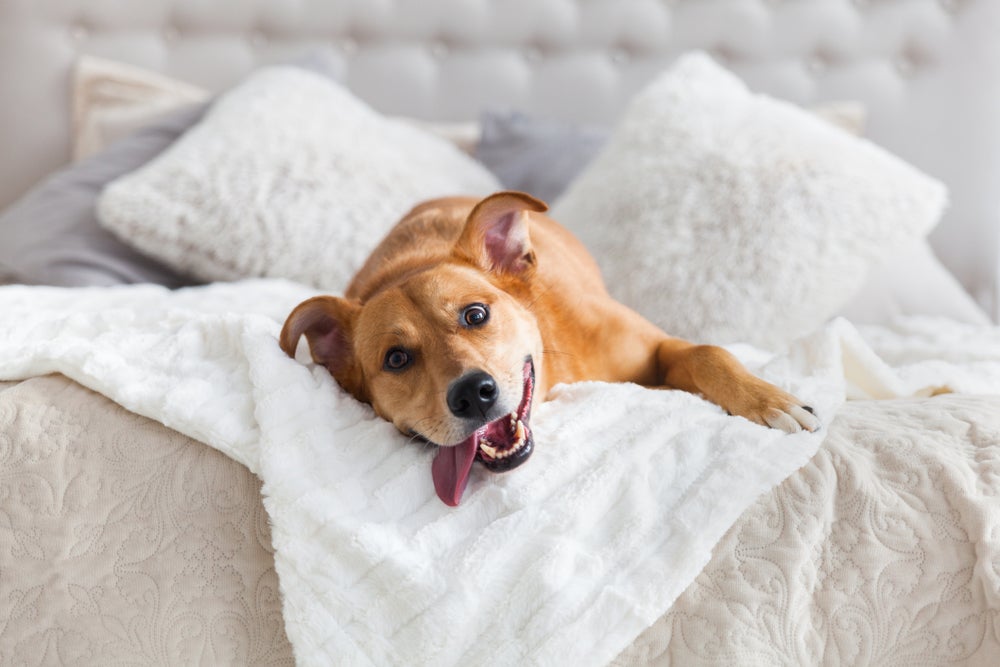
Pet-friendly policies in hotels are designed to create a welcoming environment for guests traveling with their furry companions. These policies not only enhance the overall guest experience but also reflect the increasing demand for accommodations that cater to pet owners. Understanding the key components of these policies can help travelers make informed decisions when selecting a hotel that aligns with their needs.The primary components of pet-friendly hotel policies typically include restrictions on the types and sizes of pets allowed, guidelines regarding pet behavior, and additional fees or deposits required for pet stays.
Many hotels specify the maximum number of pets per room, weight limits, and whether other types of animals, such as exotic pets, are permitted. It is essential for travelers to review these policies before booking to ensure compliance and to avoid any unexpected inconveniences during their stay.
Types of Pets Accommodated
Pet-friendly hotels often accommodate a variety of animals. The most commonly accepted pets include:
- Dogs: Most hotels welcome dogs of all breeds and sizes, though some may have restrictions based on weight or breed type.
- Cats: Feline friends are also typically allowed, with policies often mirroring those for dogs.
- Small Animals: Some hotels may accept small pets like hamsters, rabbits, or guinea pigs, as long as they are kept in secure containers.
- Birds: Certain establishments may allow pet birds, particularly if they are caged and do not disturb other guests.
These specific accommodations offer pet owners flexibility and peace of mind, allowing them to travel without leaving their beloved companions behind.
Benefits of Allowing Pets
Hotels that embrace pet-friendly policies experience numerous advantages. Firstly, they attract a wider customer base, as many travelers prioritize accommodations that welcome their pets. This inclusivity can lead to increased occupancy rates, especially during peak travel seasons.Additionally, allowing pets can enhance the overall atmosphere of the hotel. The presence of pets can foster a sense of community among guests, encouraging interactions and socialization in common areas.
Many pet owners appreciate the opportunity to meet fellow travelers who share similar interests.Moreover, pet-friendly hotels can tap into the lucrative pet industry by offering tailored services such as pet grooming, pet-sitting, or designated pet areas. These services not only enhance the guest experience but also generate additional revenue streams for the hotel.
“Creating an inviting space for pets can significantly enhance guest satisfaction and loyalty.”
When planning your next trip, finding a place to stay that fits your budget and preferences is crucial. One great way to save money is by looking for hotels that offer free breakfast included. To make your search easier, check out this guide on how to find hotels that offer free breakfast included. A hearty breakfast can kickstart your day without hitting your wallet hard.
Amenities That Make Hotels Welcoming to Pets

Creating a truly pet-friendly environment in hotels goes beyond simply allowing four-legged guests to stay. It involves providing a wide range of amenities that ensure both pets and their owners feel comfortable and cared for during their visit. Essential amenities not only enhance the experience for pets but also reflect a hotel’s commitment to accommodating all members of the family.Essential pet amenities include items that cater to the basic needs of pets, ensuring their comfort and well-being during their stay.
Traveling to major cities offers a wealth of experiences, but it can be overwhelming to choose the right accommodation. To stand out from the typical hotel experience, consider looking for unique boutique hotels that reflect the character of the place you are visiting. You can discover tips on how to find unique boutique hotels in major cities , allowing you to enjoy a distinctive stay that enhances your overall travel adventure.
These amenities contribute to a more enjoyable experience for both the pet and its owner.
Essential Pet Amenities
The following list Artikels essential amenities that make hotels more welcoming to pets, enhancing their overall stay:
- Comfortable Beds: Many hotels offer plush pet beds to ensure furry guests have a cozy place to rest. High-quality beds reduce anxiety for pets in unfamiliar environments.
- Food and Water Bowls: Providing food and water bowls allows pets to stay hydrated and nourished without needing to travel with their own. Stainless steel bowls are often the preferred choice for cleanliness and durability.
- Pet-Friendly Play Areas: Some hotels feature designated play areas equipped with toys and agility equipment, allowing pets to exercise and socialize safely.
- Pet Treats: Offering welcome treats, such as biscuits or gourmet pet snacks at check-in, makes pets feel pampered and appreciated.
- Pet Waste Disposal Stations: Conveniently located waste disposal stations encourage responsible pet ownership and help keep the environment clean.
In addition to basic amenities, specialized services are crucial in enhancing the overall experience for pets and their owners. These offerings cater to specific needs and can significantly elevate a hotel’s pet-friendly status.
Specialized Pet Services
Hotels that truly prioritize pet comfort often provide specialized services that cater to various pet-related needs. These services not only offer convenience but also help foster a sense of well-being for pets during their stay.
- Pet Grooming: On-site grooming services are a fantastic addition, allowing pets to maintain their hygiene and appearance without having to leave the hotel. Services may include baths, haircuts, and nail trimming.
- Dog Walking: Many hotels offer dog walking services, ensuring pets receive the necessary exercise while their owners are occupied. This can be particularly beneficial in urban environments where outdoor space is limited.
- Pet Sitting: Offering pet sitting services allows owners to enjoy outings or business meetings without worrying about leaving their pets alone in unfamiliar surroundings.
- Pet Training Classes: Some hotels provide access to training classes, which can help reinforce good behavior and create a more enjoyable experience for everyone.
Dining options can also play a significant role in making hotels pet-friendly. Providing a welcoming atmosphere for pets in dining areas allows guests to enjoy meals together with their furry companions.
Pet-Friendly Dining Options, What makes a hotel pet friendly and welcoming
Hotels that embrace a pet-friendly policy often feature dining options that accommodate pets, ensuring that they can dine alongside their owners. This fosters a relaxed and inclusive atmosphere for guests.
- Pet Menus: Some hotels create specialized menus for pets that may include gourmet meals, treats, and beverages designed specifically for their consumption.
- Outdoor Dining Areas: Pet-friendly hotels often have outdoor patios or terraces where pets are allowed, enabling guests to enjoy meals in a relaxed setting with their furry friends.
- Special Events: Certain hotels host pet-centric events, such as “yappy hours,” where pets can mingle while their owners enjoy complimentary drinks or snacks.
Staff Training and Attitude Toward Pets
Creating a truly pet-friendly hotel experience goes beyond having policies in place; it requires well-trained staff who exhibit a positive attitude toward animals. Training hotel staff to handle pets effectively fosters a welcoming environment, ensuring that both guests and their furry companions feel at home. This section delves into the various training methods that can be employed and highlights the significance of a friendly demeanor in interactions with pets and their owners.
Training Methods for Hotel Staff
An effective training program is vital for hotel staff to confidently manage pets and their owners. Implementing the following methods can enhance staff competence and comfort levels:
- Workshops and Seminars: Regular workshops led by pet behavior specialists can educate staff about different pet breeds, their needs, and effective handling techniques.
- Role-Playing Scenarios: Engaging staff in role-playing exercises can simulate real-life interactions with pets, allowing them to practice responses to various situations, such as dealing with a nervous dog or an excited cat.
- Shadowing Experienced Staff: New employees can learn from seasoned staff members who have demonstrated an ability to interact positively with pets. This hands-on approach builds confidence and provides real-world insights.
- Emergency Response Training: Staff should be trained to handle emergencies involving pets, such as allergic reactions or injuries, ensuring they can react appropriately and calmly.
Importance of Staff Attitude
The attitude of hotel staff plays a crucial role in establishing a warm and welcoming atmosphere for pets and their owners. A positive demeanor can significantly enhance the guest experience. Staff should embody friendliness and understanding, fostering an inclusive environment where guests feel valued.
“A smile and a friendly word can transform a pet-parent’s experience, making them feel welcomed and at ease.”
Staff should be encouraged to engage in light-hearted conversations about pets, showing genuine interest and enthusiasm. This not only makes guests feel more comfortable but also strengthens the bond between the hotel and the pet owner.
Successful Pet-Friendly Staff Interactions
Numerous hotels have showcased exemplary staff interactions that highlight their commitment to being pet-friendly. For instance, a boutique hotel in San Francisco employs a “pet ambassador” program, where selected staff members are specially trained to cater to pets’ needs. This program has led to numerous positive reviews from guests who appreciated the personalized attention given to their pets.Another notable example is a chain of hotels that offers a “welcome kit” for pets, which includes treats, toys, and information about local pet-friendly parks.
Staff members actively participate in presenting these kits and often follow up with guests to ensure their pets are enjoying their stay.These examples illustrate how effective training and a welcoming attitude can create memorable experiences for pet owners, ensuring they return to the hotel with their beloved companions.
Guest Experience and Feedback: What Makes A Hotel Pet Friendly And Welcoming
:max_bytes(150000):strip_icc()/GettyImages-496194069-94242f4bbfc24375a5454268fa2f03eb.jpg "What does pet friendly hotel mean? - Cherokee Inn")
Creating a truly pet-friendly hotel experience goes beyond just allowing pets on the premises; it encompasses understanding and enhancing the overall experience for both the furry guests and their owners. Collecting feedback specifically related to pets is crucial in fostering an environment that is welcoming, comfortable, and accommodating for all guests.To effectively gauge the pet experience, hotels can establish a framework for collecting guest feedback.
This can come in various forms, such as online surveys, comment cards available at the front desk, or follow-up emails post-stay. Engaging with guests about their experiences allows hotels to identify strengths and areas for improvement in their pet-friendly offerings.
Framework for Collecting Guest Feedback
Establishing a structured approach to gather feedback from pet owners about their stay enhances service quality and guest satisfaction. Key methods for collecting this feedback include:
- Post-Stay Surveys: Sending out surveys that specifically ask about the pet experiences can yield valuable insights. Questions may include the comfort of pet accommodations, cleanliness, and available amenities.
- In-Room Comment Cards: Providing comment cards in pet-friendly rooms encourages guests to share their thoughts immediately after their stay. This can include ratings on pet policies and suggestions for improvement.
- Social Media Engagement: Actively monitoring and requesting feedback on social media platforms allows hotels to engage directly with pet owners. Encouraging guests to share their experiences through hashtags can create a sense of community.
- Online Review Platforms: Keeping an eye on pet-friendly review sections on platforms like TripAdvisor or Yelp helps hotels understand public perception and address specific concerns raised by pet owners.
Feedback collected through these channels serves as a direct line of communication to understand and improve services.
Improving Services Based on Pet-Owner Reviews
Analyzing reviews from pet owners can lead to significant enhancements in services. Hotels can:
- Identify Common Concerns: Regularly reviewing feedback helps pinpoint frequent issues, allowing hotels to prioritize resolutions effectively.
- Spot Trends in Amenities: Noticing requests for certain amenities can lead hotels to introduce new services, such as dog walking services or pet-friendly dining options.
- Focus on Staff Training: Feedback often highlights the importance of staff interactions with pets. Training staff to handle pets with care and friendliness can enhance the entire experience.
- Enhance Cleaning Protocols: Pet owners often emphasize cleanliness. Feedback can lead to improved cleaning standards in pet-friendly rooms and common areas.
By continuously adapting based on guest reviews, hotels can maintain high standards of quality and satisfaction.
Fostering Community Among Pet Owners
Creating a sense of community among pet owners at hotels can enhance guest experiences significantly. Community-focused initiatives can include:
- Pet-Friendly Events: Organizing events such as pet meet-ups or training sessions fosters interaction among guests and their pets, building camaraderie.
- Social Media Groups: Establishing online groups for guests to share their experiences, tips, and photos can strengthen the bond among pet owners.
- Referral Programs: Implementing referral programs encouraging guests to bring friends along with their pets can not only increase bookings but also enhance the community feel.
- Feedback Loop: Encouraging guests to share their stories can create a continuous loop of feedback and improvement while making guests feel valued and heard.
By actively fostering a community, hotels can transform the pet experience from merely acceptable to exceptional, ensuring guests return not just for the accommodations, but for the connections made during their stay.